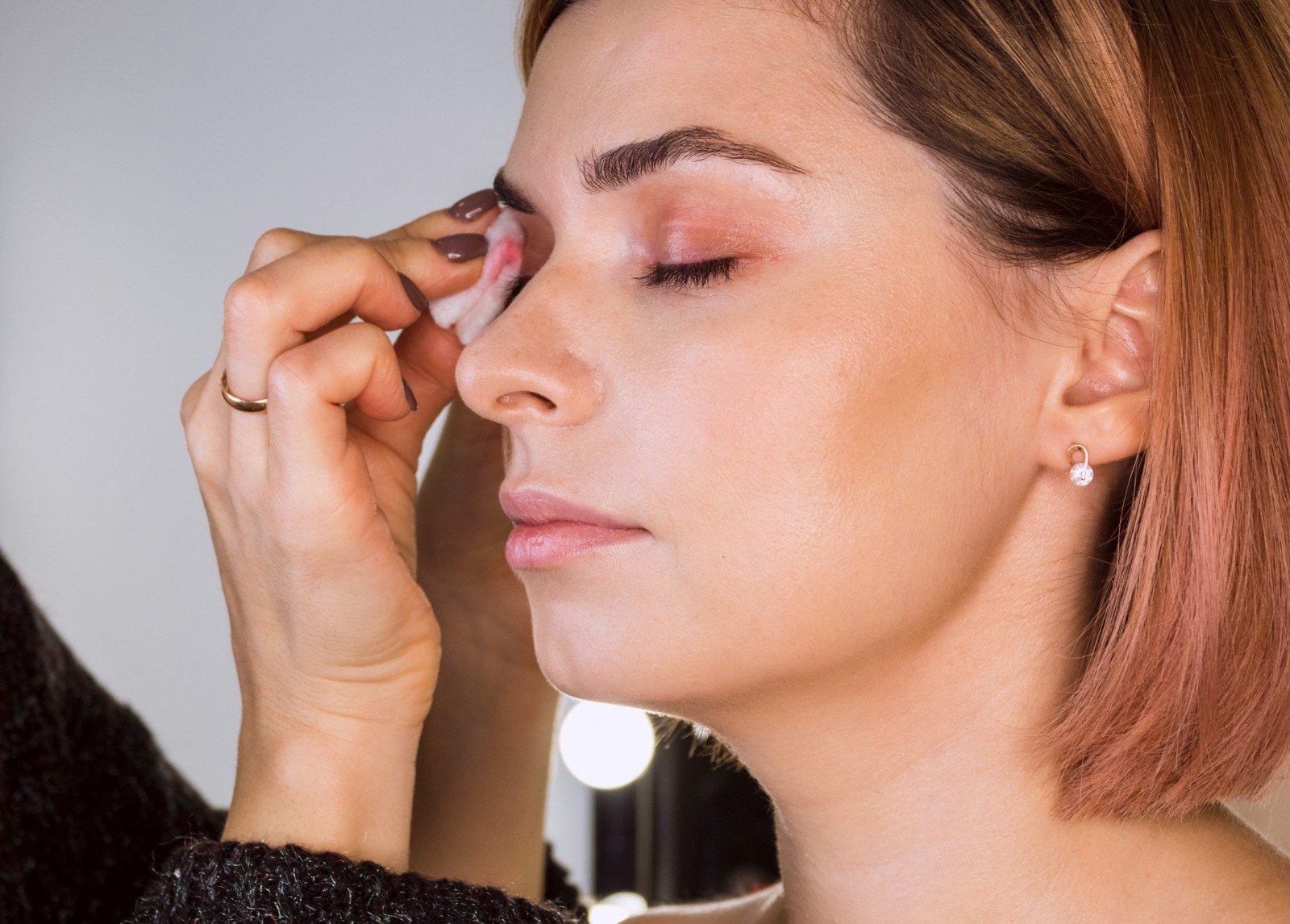
Eyebrow Hair Transplant
What is an Eyebrow Hair Transplant?
An eyebrow hair transplant is a cosmetic procedure that restores or enhances eyebrow density using the patient’s own hair. The technique is similar to scalp hair transplantation, where hair follicles are taken from a donor area—typically the back of the scalp—and transplanted into the eyebrow region.
Unlike temporary fixes such as makeup or semi-permanent tattooing, eyebrow transplants use natural hair follicles that continue to grow for life. This makes the results more realistic and sustainable.
Who is the Right Candidate?
- ✅ Individuals with naturally sparse or thin eyebrows.
- ✅ Those who lost eyebrow hair due to over-plucking, scarring, trauma, or burns.
- ✅ Patients with stable medical conditions like alopecia that affect eyebrow growth.
- ✅ People looking for a permanent, natural alternative to cosmetic enhancements like microblading.
- ✅ Healthy individuals without major skin or healing issues.
During consultation, the surgeon evaluates eyebrow shape, donor hair quality, and medical history before confirming eligibility.
Techniques of Eyebrow Transplant
- Follicular Unit Extraction (FUE) – Individual follicles are extracted with precise tools and transplanted one by one. It’s minimally invasive and leaves no visible linear scar.
- Follicular Unit Transplantation (FUT) – A thin strip of scalp skin is removed, divided into follicle units, and implanted. Allows more grafts at once but may leave a fine scar.
Both methods produce natural results, though FUE is often preferred for eyebrows since it allows greater precision.
Planning the Eyebrow Design
- ✅ Natural arch and contour of the brows.
- ✅ Patient’s facial structure and symmetry.
- ✅ Desired thickness and density.
Unlike scalp hair, eyebrow hairs grow at a flatter angle and in a specific direction. Proper angling is crucial to achieve realistic results.
The Procedure Step by Step
- Consultation and Design – Surgeon reviews expectations and draws a natural brow outline.
- Preparation – Local anesthesia is applied to numb donor and recipient areas.
- Harvesting – Hair follicles are extracted via FUE or FUT.
- Implantation – Tiny incisions are made in the brow line, and follicles are implanted at the correct angle and direction.
- Completion – The procedure takes 2–4 hours depending on grafts required.
Recovery and Aftercare
Recovery is smooth, though patients may experience mild swelling, redness, or tiny scabs for about a week. Key aftercare includes:
- ✅ Avoid rubbing or scratching the brows.
- ✅ Refrain from strenuous activity for at least a week.
- ✅ Keep brows dry for the first few days.
- ✅ Take prescribed medications to prevent infection and support healing.
Transplanted hairs often shed in the first month. New growth begins at 3–4 months and continues to improve over a year.
Results of Eyebrow Transplant
- ✅ Fuller, natural brows within 9–12 months.
- ✅ Permanent growth since transplanted follicles remain active.
- ✅ Ability to trim and shape brows like natural hair.
Since donor hairs are from the scalp, they may grow longer than natural eyebrow hairs and require occasional trimming.
Benefits of Eyebrow Transplant
- ✅ Permanent solution compared to makeup or tattoos.
- ✅ Uses natural hair for a realistic look.
- ✅ Restores brows lost due to trauma, burns, or medical issues.
- ✅ Enhances facial balance and confidence.
Risks and Considerations
- ✅ Infection or mild scarring at donor/recipient sites.
- ✅ Uneven growth if grafts don’t take properly.
- ✅ Occasional touch-ups may be required.
Choosing an experienced surgeon minimizes risks and ensures natural results.
Frequently Asked Questions (FAQs)
1. How long does an eyebrow hair transplant last?
Eyebrow transplants are permanent, as transplanted follicles grow for life. Occasional trimming may be needed since donor hairs grow faster.
2. How many grafts are required for an eyebrow transplant?
Typically, 200–400 grafts per eyebrow, depending on size and density goals.
3. Is the procedure painful?
It is performed under local anesthesia, so pain is minimal. Mild soreness may follow but subsides in a few days.
4. When will I see results?
Shedding occurs in the first few weeks, new growth begins at 3–4 months, and final results show within 9–12 months.
5. Can anyone undergo an eyebrow transplant?
Most healthy individuals qualify, but those with uncontrolled conditions, poor donor hair, or unrealistic expectations may not be suitable.