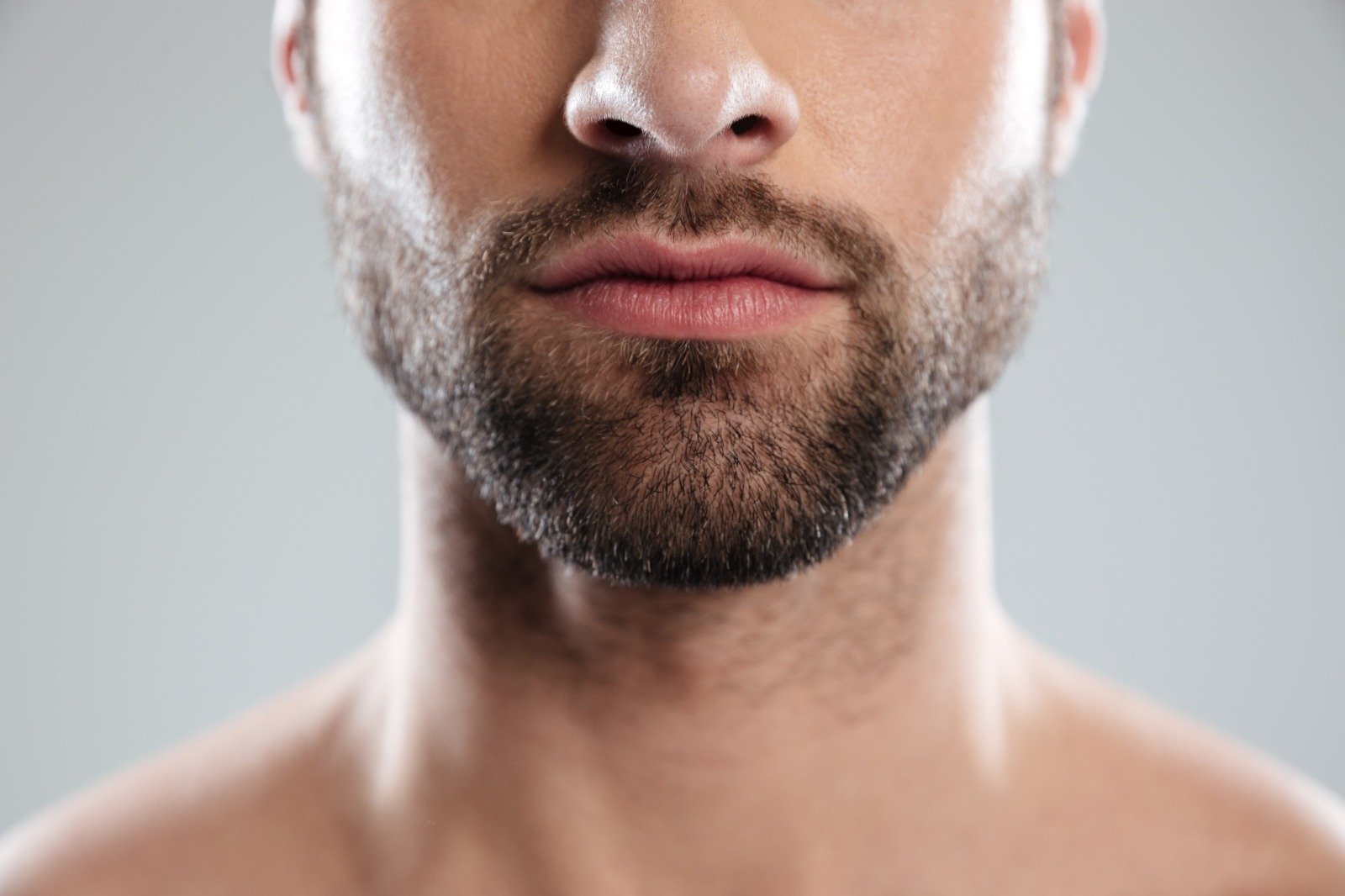
Beard and Moustache Hair Transplant
What is a Beard and Moustache Hair Transplant?
A beard and moustache transplant is a minimally invasive surgical procedure where hair follicles are taken from a donor site, typically the back of the scalp, and implanted into the beard or moustache area. These transplanted hairs grow naturally, allowing men to shave, trim, and style them just like normal facial hair.
The most common technique is Follicular Unit Extraction (FUE), where individual hair follicles are extracted and transplanted. In some cases, Follicular Unit Transplantation (FUT) may also be used, though FUE is more popular because it leaves minimal scarring and offers quicker recovery.
Who is the Right Candidate?
- ✅ Men with patchy or thin beard and moustache growth caused by genetics.
- ✅ Individuals who lost facial hair due to burns, accidents, or surgical scars.
- ✅ Those with conditions like traction alopecia leading to sparse growth.
- ✅ Men who want a fuller, denser, or well-defined beard and moustache.
- ✅ Individuals with a healthy donor area on the scalp.
Before undergoing surgery, patients should be in good health and have realistic expectations about results.
Different Types of Beard and Moustache Transplants
- Partial Beard Transplant – Fills patchy areas without altering the full beard.
- Full Beard Transplant – Creates a thick, full beard across jawline, cheeks, and chin.
- Moustache Transplant – Focuses on building a dense and well-defined moustache.
- Goatee or Sideburn Transplant – Enhances specific facial hair areas depending on style preference.
The best option depends on natural growth, desired style, and available donor hair.
Preparing for the Procedure
Patients undergo consultation where the surgeon evaluates beard goals, facial structure, and donor hair. A custom beard design is drawn to suit natural features.
- ✅ Avoid blood-thinning medications, alcohol, and smoking for at least a week.
- ✅ Wash scalp and face thoroughly on the day of surgery.
- ✅ Maintain a healthy diet and hydration before surgery.
The Procedure
The procedure typically takes 4–8 hours, depending on graft numbers. Steps include:
- Local Anesthesia – Donor and recipient areas are numbed for a pain-free process.
- Harvesting Donor Hair – Follicles are extracted using FUE from the scalp.
- Graft Preparation – Extracted follicles are sorted under a microscope.
- Implantation – Tiny incisions are made, and follicles are implanted at the right angle and direction.
Surgeons carefully design density, symmetry, and natural flow for realistic results.
Recovery After a Beard and Moustache Transplant
- ✅ Return to normal activities in 2–3 days, though full healing takes weeks.
- ✅ Mild redness, swelling, or scabs fade within 7–10 days.
- ✅ Transplanted hairs shed in 2–3 weeks before new growth begins.
- ✅ New growth starts at 3–4 months, with major results at 6–9 months.
- ✅ Final, permanent results appear within 12 months.
Patients can shave, trim, and style transplanted beards normally once hair growth stabilizes.
Frequently Asked Questions (FAQs)
1. Is the procedure painful?
No. It is performed under local anesthesia, so pain is minimal. Mild soreness afterward is manageable with medication.
2. How many grafts are needed for a full beard?
Usually 2,000–5,000 grafts for a full beard. Smaller areas like a moustache or goatee may need 300–900 grafts.
3. Will the transplanted beard look natural?
Yes. The procedure uses your own hair follicles, and grafts are placed at the correct angle for natural-looking growth.
4. Are the results permanent?
Yes. Once transplanted follicles settle, they continue growing for life.
5. Can I shave or style my beard after the transplant?
Absolutely. Once fully grown, transplanted facial hair can be shaved, trimmed, and styled like natural beard hair.