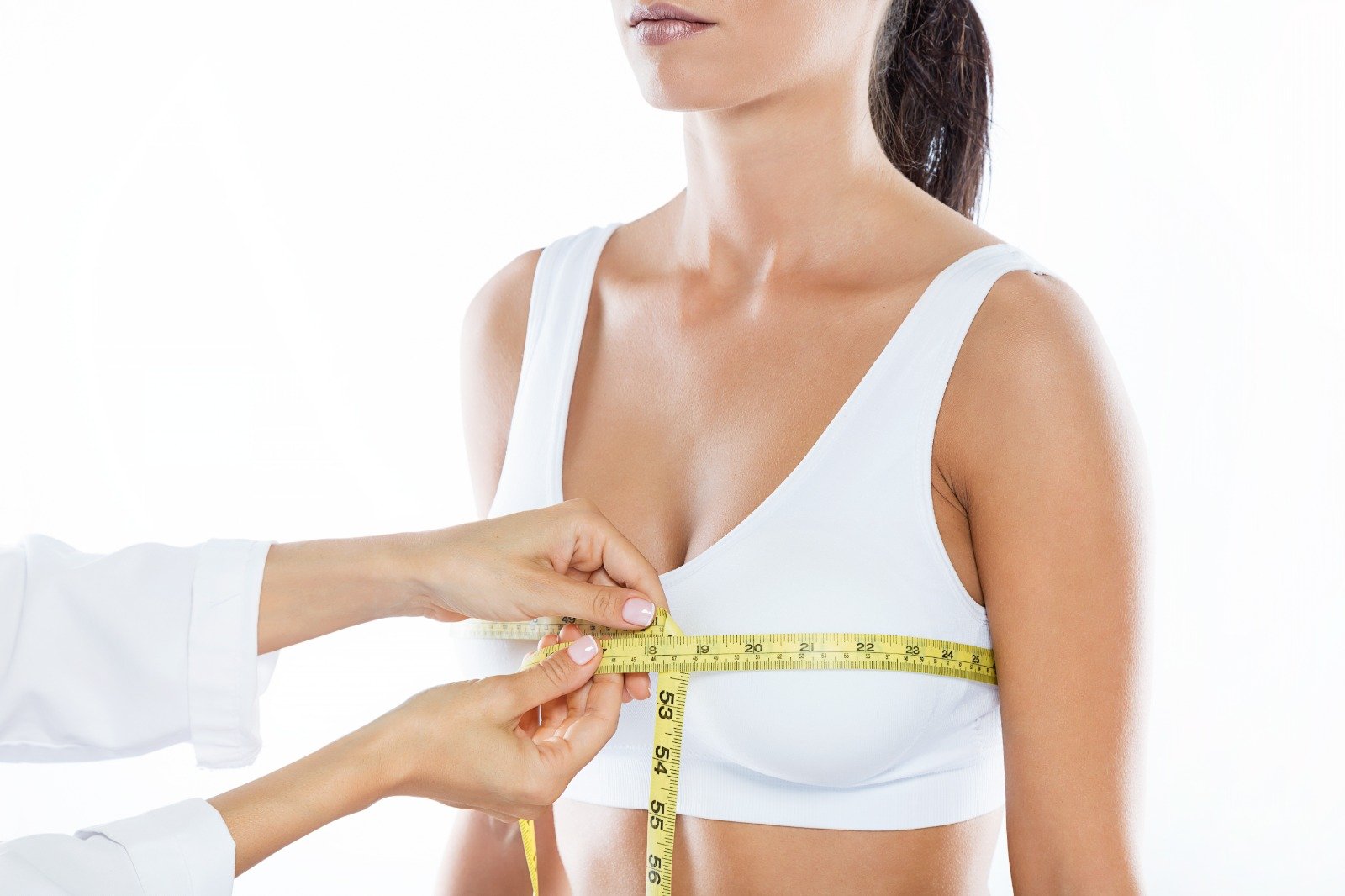
Natural Breast Enhancement with Fat Transfer
What Is Natural Breast Enhancement with Fat Transfer?
Natural breast enhancement with fat transfer—also known as autologous fat grafting or fat transfer breast augmentation—is a cosmetic procedure that uses your own body’s fat to increase breast size and improve shape. Unlike implant-based augmentation, this method avoids foreign material and delivers a subtle, more natural look and feel. Surgeons harvest fat from areas like the abdomen, thighs, or flanks using liposuction, purify it, and then reinject it into the breasts. This dual-action approach not only enhances your curves but also contours the areas where the fat was taken.
Who Is the Right Candidate?
Ideal candidates are healthy individuals seeking a modest increase—typically about one cup size—not wishing to have implants. You need enough donor fat from other parts of your body, good skin elasticity, and breasts without significant sagging. If sagging (ptosis) is present, surgeons may combine the fat transfer with a breast lift. Because the procedure is customized, a thorough evaluation helps ensure realistic expectations and lasting satisfaction.
How the Fat Transfer Procedure Works
- Fat Harvesting – The surgeon removes fat gently with liposuction from areas like the inner thighs, abdomen, or flanks.
- Fat Processing – The extracted fat is purified (often using centrifugation or filtration) to isolate healthy, usable fat cells.
- Fat Injection – The purified fat is evenly injected into multiple layers of the breast. Small, precise injections ensure even distribution and improved fat survival.
As an outpatient procedure, you typically go home the same day. General anesthesia is commonly used, especially when liposuction is involved.
Benefits and Limitations
Benefits include:
- ✅ Natural look and feel—since it uses your own body fat, the results feel soft and organic.
- ✅ Dual contouring effect—you improve breast volume and reduce fat elsewhere.
- ✅ Long-lasting results without implants—no foreign body, and surviving fat cells stay permanently.
Limitations include:
- ✅ Limited volume increase—realistically, one to two cup sizes, depending on fat availability and breast capacity.
- ✅ Variable fat survival—typically, only 50–70% of transferred fat survives; patients may need a second session for more volume.
- ✅ Potential interference with mammograms—fat necrosis or calcifications can mimic cancer on imaging; notifying your radiologist about the procedure is important.
Overall, it’s a safer alternative for those seeking a natural enhancement without implants—but not ideal for major size increases or sagging correction.
Preparing for the Procedure
- Consultation – your surgeon evaluates your anatomy, reviews your health history, and discusses goals and risks.
- Medical clearance and imaging – mammograms or other tests may be required based on age or risk.
- Lifestyle adjustments – quit smoking, stop blood thinners, and maintain a stable weight.
- Recovery planning – since you’ll have donor and recipient sites, plan for rest and limited upper-body movement for several weeks.
Recovery Timeline
- First few days – soreness, swelling, and bruising at both the fat harvest and breast sites. Pain relief typically helps.
- By week one – many return to desk work. Compression garment for donor areas and supportive bra for breasts.
- Weeks 2–6 – gradual return to activity. Avoid heavy lifting or upper-body exertion for at least four to six weeks.
- Months 3–6 – final shape emerges as swelling resolves. Surviving fat has settled naturally.
During recovery, follow your surgeon’s instructions closely—especially about wearing garments, activity limits, and care of all treated areas.
FAQs About Fat Transfer Breast Augmentation
- How much size increase can I expect? Typically, about one cup size per session. Undergoing a second procedure can achieve slightly larger results.
- Is there scarring? Scars are minimal and placed at liposuction and injection sites—usually fade over time and are less visible than implant incisions.
- Do the results last forever? Yes, the fat cells that survive integrate permanently. However, significant weight changes can affect your shape over time.
- How does this affect breast cancer screenings? Fat transfer can cause calcifications or benign lumps that show on mammograms. Always inform your imaging team about your history.
- When can I resume exercise? Light activities like walking begin in the first week. Avoid upper-body or strenuous workouts for at least four to six weeks—confirm with your surgeon.