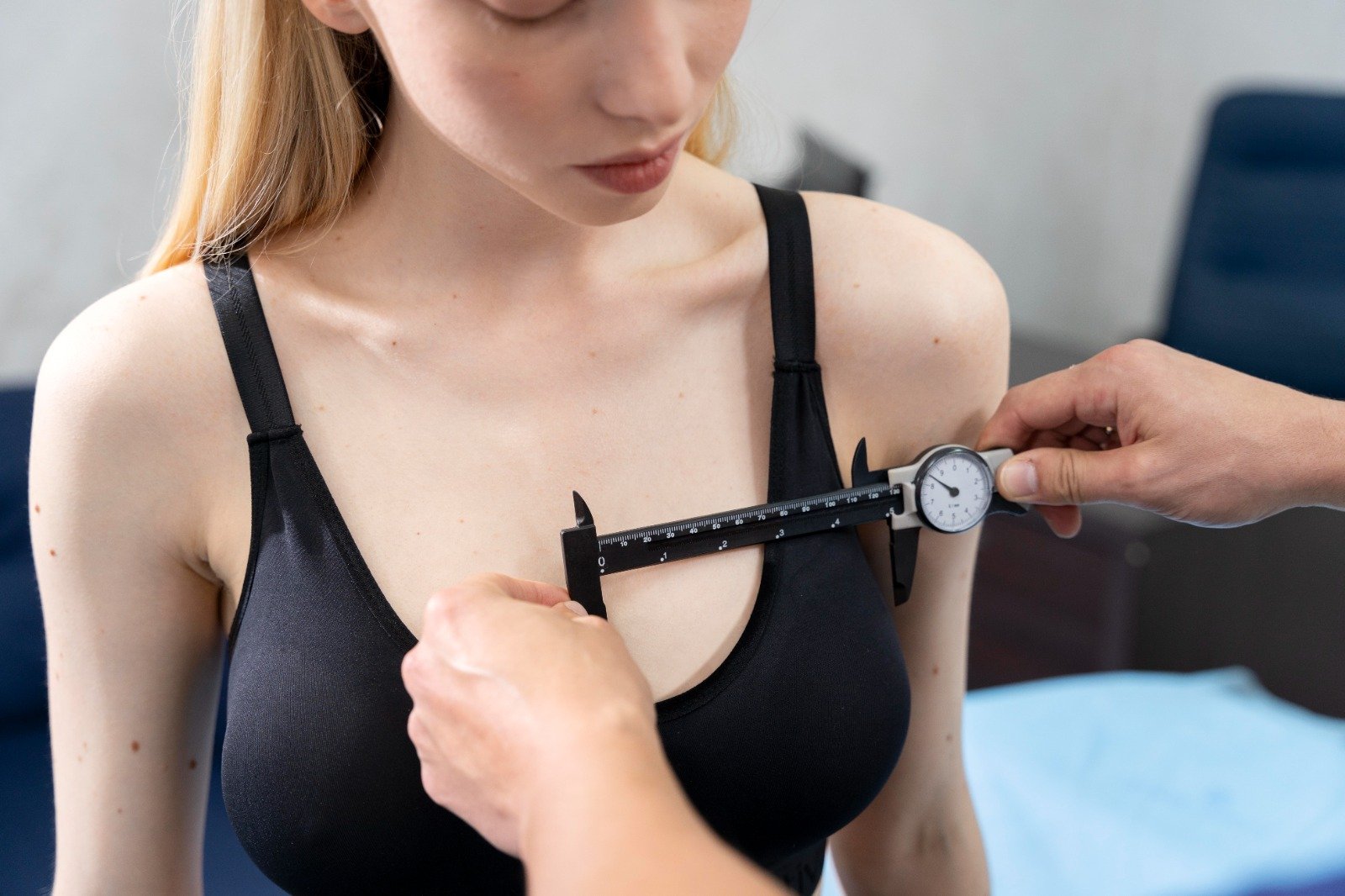
Breast Revision Surgery
What is Breast Revision Surgery?
Breast revision surgery is a corrective or secondary procedure performed to improve or adjust the results of a previous breast surgery, usually breast augmentation with implants. While most women are satisfied with their initial breast enhancement, some may experience complications, changes in preference, or natural changes in their body over time that make revision necessary. The procedure can involve replacing old implants, removing them altogether, or making adjustments to the breast tissue and skin for better symmetry, shape, and comfort.
Why Do Women Consider Breast Revision?
There are several reasons why women may choose to undergo breast revision surgery. Some may feel dissatisfied with the size, shape, or position of their current implants. Others may experience complications such as implant rupture, leakage, or capsular contracture (hardening of scar tissue around the implant). Natural changes in the body due to aging, pregnancy, breastfeeding, or significant weight fluctuations can also affect the appearance of the breasts. In many cases, women opt for revision surgery simply because their aesthetic goals have changed over time and they now desire a different look.
Who is the Right Candidate?
The ideal candidate for breast revision surgery is a woman who has previously undergone breast augmentation or breast surgery and is experiencing dissatisfaction or complications with her results. Candidates should be in good overall health, not currently pregnant or breastfeeding, and free from serious medical conditions that may interfere with healing. It is also important for patients to have realistic expectations and understand that revision surgery is typically more complex than the initial procedure. Consulting with a board-certified plastic surgeon is crucial to determine candidacy and create a personalized surgical plan.
Types of Breast Revision Procedures
Breast revision surgery is not a one-size-fits-all procedure. The approach depends on the specific issue being addressed:
✅ Implant Replacement
The most common type of revision involves removing the old implants and replacing them with new ones. Women may choose a different size, shape, or material, such as switching from saline to silicone implants for a more natural look and feel.
✅ Implant Removal (Explant Surgery)
Some women decide they no longer want implants at all. In this case, the surgeon removes the implants and may combine the procedure with a breast lift to restore a youthful contour and prevent sagging.
✅ Correction of Complications
If an implant ruptures, leaks, or shifts from its original position, revision surgery can correct these problems. Capsular contracture, which causes hardness and discomfort, can also be treated by removing the scar tissue and replacing the implant if desired.
✅ Breast Lift with Revision
In some cases, a breast lift is performed along with revision to improve sagging, restore firmness, and reposition the nipples for a balanced appearance.
Preparing for Surgery
Before the surgery, patients undergo a thorough consultation and physical examination. The surgeon may recommend imaging tests, such as MRI or ultrasound, to assess implant condition. Patients should stop smoking, avoid alcohol, and discontinue certain medications like blood thinners to minimize surgical risks. Setting clear goals with the surgeon and understanding the potential outcomes are important steps in preparation.
The Surgical Procedure
Breast revision surgery is typically performed under general anesthesia. The surgical technique depends on the patient’s needs and the type of revision being done. The surgeon usually makes incisions in the same locations as the original augmentation to minimize additional scarring. Implants may be removed or replaced, scar tissue may be excised, and adjustments made to the breast pocket for better positioning. If a lift is performed, excess skin may be removed, and the nipples repositioned. The surgery generally lasts between two to four hours, depending on complexity.
Recovery After Breast Revision Surgery
Recovery after revision surgery is similar to the initial augmentation but may take slightly longer due to the complexity of the procedure. Patients typically experience swelling, bruising, and mild discomfort for the first few days, which can be managed with prescribed medications. Most women return to light activities within a week but should avoid strenuous exercise and heavy lifting for four to six weeks. A surgical bra or compression garment is usually recommended to support healing. The final results may take several months to fully settle as swelling reduces and tissues adjust.
FAQs
1. How soon after breast augmentation can I consider revision surgery?
Most surgeons recommend waiting at least six months to a year before undergoing revision surgery unless there is a medical complication, as it allows the implants and tissues to settle.
2. Will revision surgery leave new scars?
In most cases, surgeons use the same incision lines as the original procedure to avoid additional scarring. However, some revisions may require new incisions depending on the complexity.
3. How long do breast implants last before needing revision?
Breast implants are not lifetime devices. On average, they last 10 to 15 years, but some may need replacement sooner due to rupture, leakage, or personal preference for change.
4. Is breast revision surgery riskier than the first surgery?
Revision surgery is generally more complex than the original augmentation because it involves scar tissue and changes to the breast pocket. Choosing an experienced, board-certified plastic surgeon greatly reduces risks.
5. Can I combine breast revision with other procedures?
Yes, many women choose to combine revision with a breast lift, liposuction, or body contouring for more comprehensive results. This depends on individual health and aesthetic goals.