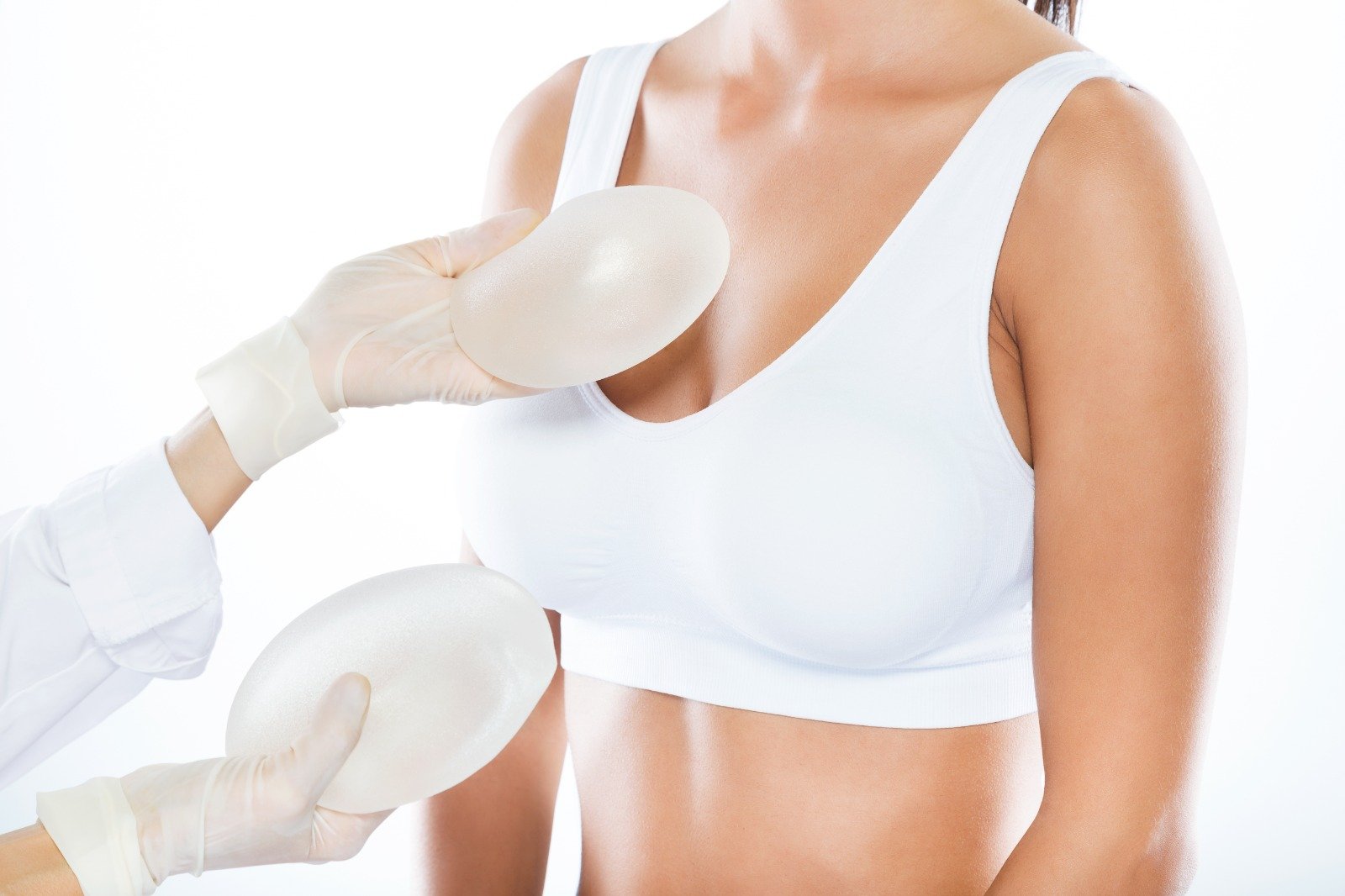
Breast Lift with Implants
What is a Breast Lift with Implants?
A breast lift with implants is a cosmetic procedure that combines two techniques: lifting the breasts to a more youthful position and adding implants for extra volume and shape. Over time, factors like pregnancy, breastfeeding, weight changes, and natural aging can cause breasts to lose their firmness and sit lower on the chest. While a standard breast lift addresses sagging by tightening the skin and repositioning the nipples, adding implants can also restore lost volume or increase breast size. This combined approach is ideal for women who want both an uplifted and fuller appearance.
Who is the Right Candidate?
Not every woman who experiences sagging or volume loss requires both a lift and implants. The best candidates for a breast lift with implants are:
- ✅ Women who notice sagging breasts combined with a loss of fullness at the top.
- ✅ Those who want more volume and a rounder contour in addition to correction of drooping.
- ✅ Women with nipples pointing downward or sitting below the breast crease.
- ✅ Individuals who are in good overall health, are non-smokers, and have realistic expectations about results.
- ✅ It’s also a suitable choice for women after pregnancy or weight loss, when breasts appear deflated and stretched at the same time.
Different Types of Implants Used
When undergoing a breast lift with implants, patients can choose from different types of implants. The choice depends on the desired look, feel, and personal preferences:
- Saline Implants – Filled with sterile saltwater. They are inserted empty and filled once in place, allowing for smaller incisions. They provide a firm feel but may be less natural compared to silicone.
- Silicone Implants – Filled with silicone gel that closely mimics the feel of natural breast tissue. They are popular for their softer, more natural look.
- Gummy Bear Implants – A type of silicone implant with a firmer gel, maintaining shape even if the outer shell breaks. They provide a stable and natural result.
The implant shape can also vary: round implants provide more fullness at the top of the breast, while teardrop-shaped implants mimic the slope of natural breasts. The right choice is determined in consultation with a surgeon based on body type and goals.
Preparing for Surgery
Before the procedure, a detailed consultation with the surgeon is essential. During this session, the surgeon will:
- ✅ Review medical history and overall health.
- ✅ Conduct a physical examination of breast tissue, skin elasticity, and nipple position.
- ✅ Discuss desired results, implant types, and incision options.
- ✅ Explain potential risks and benefits.
Patients may be asked to undergo blood tests or imaging and to stop smoking or avoid certain medications. Pre-surgery instructions often include maintaining a stable weight and arranging for recovery support at home.
The Surgical Procedure
The surgery is performed under general anesthesia and usually takes 2–4 hours, depending on the complexity.
- Incision – The surgeon makes incisions based on the degree of sagging and the type of implant chosen. Common incision patterns include:
- ✅ Around the areola (periareolar).
- ✅ Around the areola and vertically down to the breast crease (lollipop incision).
- ✅ Around the areola, vertically down, and along the breast crease (anchor incision).
- Implant Placement – The chosen implants are inserted either under the breast tissue (subglandular placement) or under the chest muscle (submuscular placement). Submuscular placement often provides more natural results and lowers the risk of complications.
- Breast Lift – The surgeon removes excess skin, reshapes the breast tissue, and repositions the nipple and areola to a higher, more natural level.
- Closing Incisions – The incisions are closed with sutures, and dressings or support garments are applied.
Recovery After Surgery
Recovery from a breast lift with implants varies for each patient, but most women can return to normal daily activities within 1–2 weeks.
- ✅ Initial Days – Expect swelling, bruising, and some discomfort, which can be managed with prescribed medication. A surgical bra or compression garment is usually worn to support healing.
- ✅ Activity – Strenuous activity and heavy lifting should be avoided for 4–6 weeks. Light movements are encouraged to prevent stiffness.
- ✅ Results – Initial results are visible immediately, but final outcomes become clearer as swelling reduces over the next few months. The breasts appear lifted, fuller, and more youthful.
Surgeons usually schedule follow-up visits to monitor healing and ensure the implants settle properly.
FAQs about Breast Lift with Implants
1. How long do the results last?
Results typically last many years. However, natural aging and gravity will continue to affect breast shape over time. Implants themselves may need replacement after 10–15 years.
2. Will there be visible scars?
Scars are part of any surgical procedure, but surgeons place incisions strategically to make them less visible. With proper care, scars usually fade significantly over time.
3. Can I breastfeed after a breast lift with implants?
Breastfeeding is possible in many cases, but it depends on the surgical technique used. It’s important to discuss future pregnancy and breastfeeding plans with the surgeon beforehand.
4. Are the results immediate?
The lift and implants provide immediate improvement, but swelling and implant settling take time. Final results are typically seen within 3–6 months.
5. Is the procedure safe?
Like all surgeries, there are risks such as infection, implant rupture, or changes in nipple sensation. Choosing a qualified and experienced plastic surgeon minimizes these risks and ensures safer outcomes.