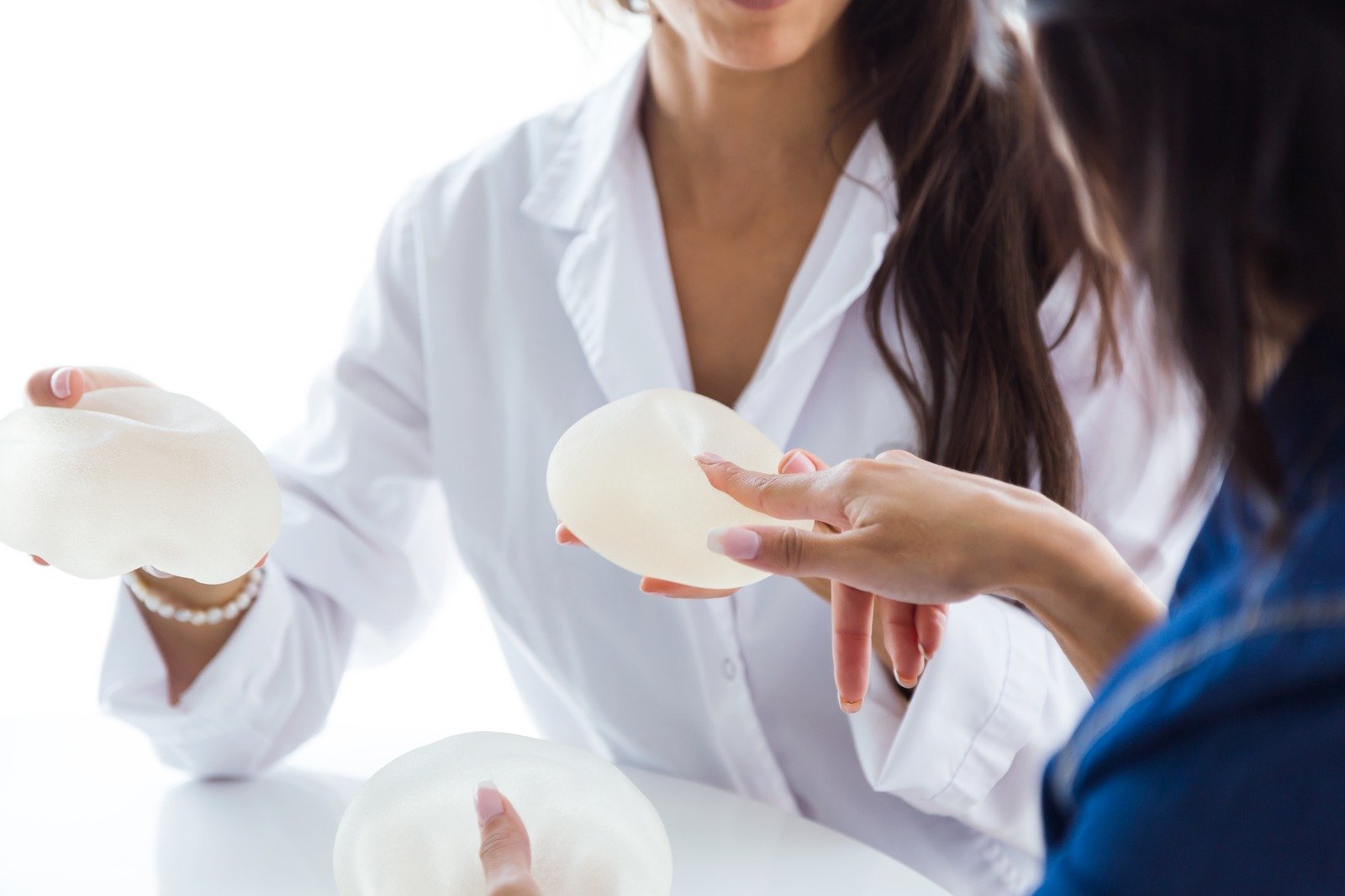
Breast Augmentation with Implants
What is Breast Augmentation with Implants?
Breast augmentation with implants is a surgical procedure designed to increase breast size and improve breast shape using silicone or saline implants. These implants are placed under the breast tissue or chest muscle to create a fuller, more proportionate look. Unlike fat transfer breast augmentation, which uses the patient’s own fat, implants offer more predictable volume and shape, making them the preferred choice for women looking for significant enhancement.
Who is the Right Candidate?
Not everyone is the ideal candidate for breast implants. Women who benefit most from this surgery are those who:
- ✅ Feel their breasts are too small for their body frame.
- ✅ Have lost volume after pregnancy, breastfeeding, or weight loss.
- ✅ Have asymmetrical breasts and want a more balanced look.
- ✅ Are in good overall health, without serious medical conditions.
- ✅ Have realistic expectations about the outcome.
It’s also important for candidates to understand that implants may not last a lifetime. Many women will need a revision surgery in the future to replace or adjust the implants.
Types of Breast Implants
When choosing implants, there are several factors to consider. The two main types of implants are saline and silicone:
- Saline implants – Filled with sterile salt water. They are inserted empty and then filled once in place. These implants provide a uniform shape and firmness, but they may feel less natural compared to silicone.
- Silicone implants – Pre-filled with a cohesive silicone gel that feels more like natural breast tissue. They tend to provide a softer, more natural result, making them a popular choice.
In addition to the type of filling, implants also differ in shape (round or anatomical/“teardrop”), texture (smooth or textured), and placement (above or below the chest muscle). The right choice depends on the patient’s body type, skin elasticity, and personal goals, which are all discussed during the consultation with the surgeon.
Preparing for Surgery
Before undergoing breast augmentation with implants, a thorough consultation with a board-certified plastic surgeon is essential. During this stage, the surgeon will review medical history, perform a physical examination, and discuss expectations.
Patients may be asked to undergo blood tests, mammograms (depending on age), and other medical evaluations to ensure safety. It’s also important to stop smoking several weeks before surgery, avoid certain medications that increase bleeding risk, and arrange for a comfortable recovery period at home.
The surgeon will also help the patient select the right implant type, size, and placement to achieve natural, harmonious results.
The Procedure
Breast augmentation surgery typically takes one to two hours and is performed under general anesthesia. The procedure involves several steps:
Incision
The surgeon makes a small incision in one of three common areas: under the breast fold (inframammary), around the areola (periareolar), or in the armpit (transaxillary). The incision choice depends on the patient’s anatomy and the type of implant.
Implant Placement
The implant is placed either under the breast tissue (subglandular placement) or beneath the chest muscle (submuscular placement). Submuscular placement often provides a more natural look and reduces the risk of complications.
Closing the Incision
Once the implants are in place, the surgeon closes the incision with sutures and applies surgical dressings. The patient is then monitored as they recover from anesthesia before being discharged, usually on the same day.
Recovery After Breast Implant Surgery
Recovery is an important part of breast augmentation. Patients may experience swelling, bruising, and mild discomfort in the first few days, but these symptoms gradually improve. Most women can return to light activities within a week, but strenuous exercise or lifting should be avoided for about 4–6 weeks.
The surgeon may recommend wearing a special supportive bra to help with healing and implant positioning. Follow-up visits are scheduled to monitor the healing process and ensure the implants settle properly.
Although results are visible soon after surgery, final results usually appear after a few months, once swelling subsides and the implants settle into place.
Risks and Considerations
Like any surgery, breast augmentation with implants carries some risks. These include infection, bleeding, changes in nipple sensation, scarring, or implant rupture. A condition called capsular contracture, where scar tissue forms around the implant, can also occur and may require corrective surgery.
Choosing an experienced, board-certified plastic surgeon significantly reduces these risks and ensures the best possible outcome.
5 Common FAQs About Breast Augmentation with Implants
1. How long do breast implants last?
Breast implants are not considered lifetime devices. While many last 10–15 years or longer, they may need to be replaced or revised over time due to changes in the body or complications.
2. Will breast implants affect breastfeeding?
Many women with implants can breastfeed without issues. However, the ability to breastfeed depends on the surgical technique used and the individual’s breast anatomy.
3. Are the results permanent?
The results of breast augmentation are long-lasting, but implants may eventually need replacement. Aging, weight changes, and hormonal shifts can also affect breast appearance over time.
4. Will implants increase the risk of breast cancer?
Current research shows that breast implants do not increase the risk of breast cancer. However, they may make mammograms slightly more challenging, so special imaging techniques are sometimes used.
5. Is there a noticeable difference between silicone and saline implants?
Yes. Silicone implants tend to feel more natural and are less prone to visible rippling compared to saline implants. The best choice depends on personal preference, anatomy, and the surgeon’s recommendation.