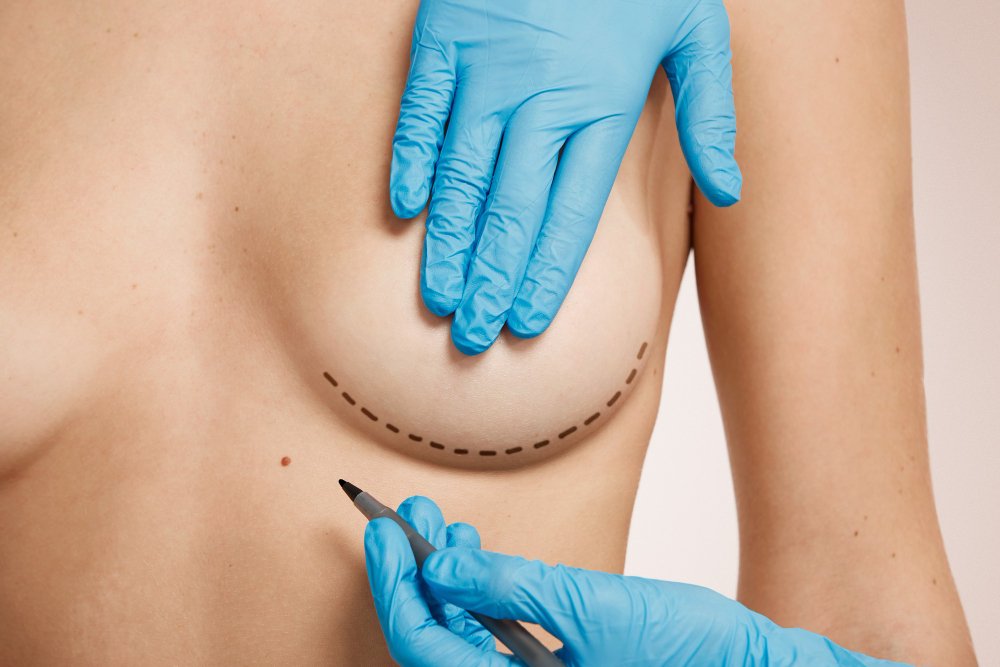
Breast Augmentation
What is Breast Augmentation?
Breast augmentation, also known as augmentation mammoplasty, is a surgical procedure that enhances the size, shape, or fullness of the breasts. It is most commonly performed using implants or fat transfer.
The goal of breast augmentation is not just to increase size, but to create natural-looking, proportionate, and aesthetically pleasing results that align with a woman’s body frame and personal goals. Some women opt for subtle enhancements, while others prefer a more noticeable change.
Who is the Right Candidate?
Breast augmentation is a personal decision, and the right candidate is someone who seeks the surgery for themselves, not to meet external expectations. You may be a good candidate if you:
- ✅ Are physically healthy and have a stable weight.
- ✅ Feel your breasts are too small for your body.
- ✅ Notice the asymmetry where one breast is noticeably smaller than the other.
- ✅ Have lost breast volume due to pregnancy, breastfeeding, or weight changes.
- ✅ Wish to restore fullness after aging or body changes.
Women should also have fully developed breasts before considering surgery. A thorough consultation with a board-certified plastic surgeon ensures that your health, expectations, and goals align with the procedure.
Types of Breast Augmentation
There are two main methods of breast augmentation: implants and fat transfer. Each has its benefits, and the choice depends on individual goals, anatomy, and lifestyle.
1. Breast Implants
This is the most common method. Implants come in different materials, shapes, and sizes:
- Saline Implants – Filled with sterile saltwater, they provide a uniform shape and firmness. If they rupture, the saline is naturally absorbed by the body.
- Silicone Implants – Filled with silicone gel, they feel more like natural breast tissue. They require regular monitoring to ensure they are intact.
- Gummy Bear Implants – A newer type of silicone implant that holds its shape better, even if the shell breaks.
Implants can also vary in profile (how much they project from the chest) and surface (smooth or textured), offering many options for customization.
2. Fat Transfer Breast Augmentation
This method uses liposuction to take fat from another area of your body—such as the abdomen, thighs, or flanks—and injects it into the breasts. While results are more natural and subtle, this method typically provides a smaller increase in size compared to implants.
Preparing for Surgery
Before breast augmentation, preparation is key to ensuring safety and a smooth recovery. During consultation, the surgeon will:
- ✅ Review your medical history and overall health.
- ✅ Discuss your expectations and desired size.
- ✅ Help you choose between implants or fat transfer.
- ✅ Explain incision options and placement techniques.
Patients are usually asked to undergo blood tests, mammograms (depending on age), and stop smoking before surgery. Certain medications may need to be paused. Planning ahead for recovery time is also important, as you’ll need to avoid strenuous activities for a few weeks.
The Breast Augmentation Procedure
Breast augmentation is usually performed under general anesthesia and takes 1 to 2 hours.
Step 1: Incision Placement
The surgeon makes small incisions in discreet locations to minimize visible scarring. Common incision options include:
- Inframammary (under the breast fold) – The most common and allows precise implant placement.
- Periareolar (around the nipple) – Blends well with natural skin changes.
- Transaxillary (under the armpit) – Avoids scars on the breast itself.
Step 2: Implant or Fat Placement
For implants, the surgeon creates a pocket either under the chest muscle (submuscular) or directly behind the breast tissue (subglandular). Placement depends on your anatomy and desired outcome.
For fat transfer, purified fat cells are carefully injected into different areas of the breast to enhance volume and shape.
Step 3: Closing Incisions
The surgeon closes the incisions with sutures and applies dressings or surgical tape. Over time, scars typically fade and become less noticeable.
Recovery After Breast Augmentation
Recovery is an essential phase of the process and requires patience and care:
- ✅ First Few Days – Expect swelling, bruising, and mild discomfort. Pain medication and supportive dressings help manage this phase.
- ✅ First Week – Most patients can return to light activities and desk jobs within a week.
- ✅ First Month – Avoid heavy lifting, strenuous exercise, or activities that strain the chest muscles. A special support bra is usually recommended.
- ✅ Long-Term – Swelling gradually subsides, and the final breast shape becomes more visible within a few months. Implants can last many years, but regular follow-ups with your surgeon are important.
It’s essential to follow your surgeon’s instructions closely for the best healing and results.
FAQs about Breast Augmentation
1. How long do breast implants last?
Breast implants are not considered lifetime devices. On average, they may last 10–15 years, but many women keep them longer if there are no complications. Regular check-ups help monitor their condition.
2. Is breast augmentation safe?
Yes, when performed by a qualified and experienced surgeon, breast augmentation is generally safe. As with any surgery, risks such as infection, bleeding, or implant complications exist, but they are minimized with proper care.
3. Will breast augmentation affect breastfeeding?
Most women can still breastfeed after augmentation, especially if implants are placed under the muscle. However, certain incision types (like periareolar) may slightly increase the risk of affecting milk ducts.
4. How do I choose the right implant size?
Your surgeon will help you select an implant size that complements your body frame and goals. Trial sizers during consultation can give you an idea of how different sizes may look.
5. What is the difference between breast augmentation and a breast lift?
Breast augmentation increases size and fullness, while a breast lift reshapes and lifts sagging breasts. Some women may benefit from combining both procedures for the best result.