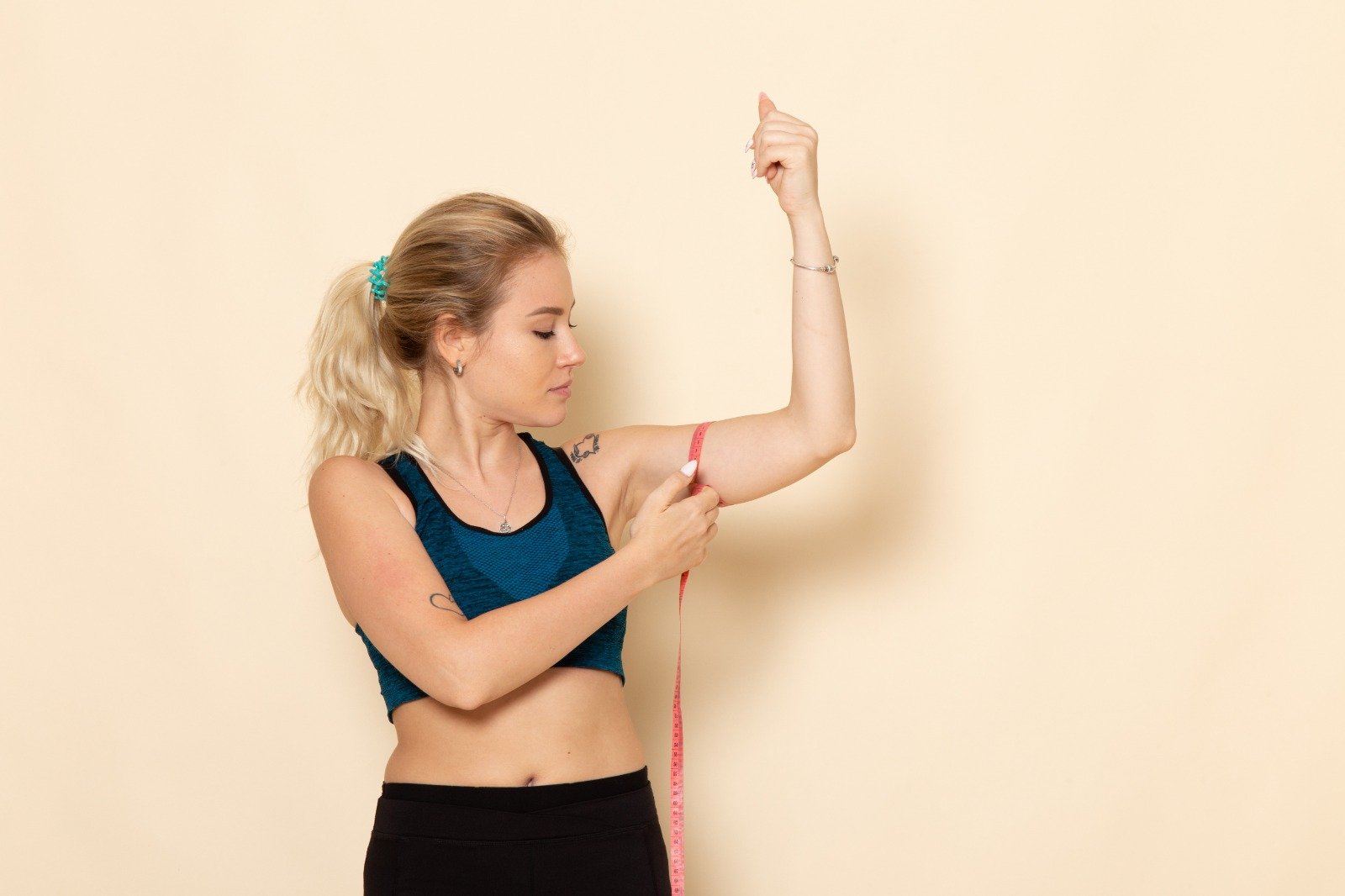
Brachioplasty (Arm Lift Surgery)
What is Brachioplasty?
Brachioplasty, or arm lift surgery, is a cosmetic procedure that removes excess skin and fat from the upper arms, particularly the area between the armpit and the elbow. The goal is to create smoother contours and reduce sagging. For many patients, this procedure restores confidence in wearing short-sleeved or sleeveless clothing, which they may have avoided due to concerns about the appearance of their arms.
Unlike liposuction, which only removes fat, brachioplasty directly addresses loose or stretched-out skin that cannot shrink back naturally after weight loss or aging. In many cases, surgeons may combine liposuction with brachioplasty to achieve the best results.
Who is the Right Candidate for Brachioplasty?
- ✅ Has significant loose or hanging skin on the upper arms.
- ✅ Maintains a stable body weight but struggles with skin that won’t tighten despite exercise.
- ✅ Has achieved major weight loss, leaving behind stretched and saggy skin.
- ✅ Is generally healthy, without serious medical conditions that could complicate surgery or healing.
- ✅ Is a non-smoker (or willing to stop before and after the procedure, as smoking slows healing).
- ✅ Has realistic expectations and understands that while scars will remain, the improvement in arm contour is significant.
People who only have small pockets of fat but good skin elasticity may benefit more from liposuction alone rather than a full arm lift.
Different Types of Brachioplasty
- Mini Arm Lift – For patients with mild sagging, a mini brachioplasty is performed with a smaller incision hidden in the armpit. It is ideal for people who only need minimal correction.
- Traditional Arm Lift – The most common type. The surgeon makes an incision along the inside or back of the arm from the armpit to the elbow. Suitable for moderate to severe sagging skin.
- Extended Arm Lift – For extreme weight loss cases where excess skin extends to the chest. This requires a longer incision continuing along the chest wall.
Your surgeon will recommend the best option based on your skin condition, degree of sagging, and goals.
Preparing for Brachioplasty
- ✅ Medical evaluation to ensure fitness for surgery.
- ✅ Blood tests and imaging if needed.
- ✅ Review and adjustment of medications or supplements.
- ✅ Lifestyle changes such as quitting smoking and avoiding alcohol.
- ✅ Setting realistic expectations about scars, recovery, and results.
- ✅ Maintaining a stable weight before surgery.
The Surgery: What Happens During a Brachioplasty?
Brachioplasty is typically performed under general anesthesia, though local anesthesia with sedation may be used in select cases. Surgery usually takes 2–3 hours.
- Incision Placement – Along the inner or back of the arm, depending on correction needed.
- Fat Removal – Liposuction may be used for stubborn fat deposits.
- Skin Tightening – Excess skin is trimmed and remaining skin tightened.
- Suturing – Closed with absorbable or removable sutures.
- Bandaging & Compression – Arms wrapped in compression garments to reduce swelling.
Recovery After Brachioplasty
- First few days – Swelling, bruising, and discomfort managed with medication. Keeping arms elevated helps reduce swelling.
- Stitches & Dressings – Some dissolve on their own; others removed after 1–2 weeks.
- Compression Garments – Worn for several weeks to minimize swelling.
- Activity Restrictions – No heavy lifting or strenuous activities for 4–6 weeks. Light activities within a week.
- Scar Care – Scars fade gradually; treatments may improve appearance.
Most patients return to daily routines in 4–6 weeks, with final results continuing to improve for months.
FAQs on Brachioplasty
1. Will I have visible scars after brachioplasty?
Yes, but they are placed strategically and fade significantly with time and care.
2. How long do the results last?
Results are long-lasting if you maintain a stable weight and healthy lifestyle.
3. Is the procedure painful?
Mild discomfort, tightness, or soreness can occur but is managed with medication.
4. Can brachioplasty be combined with other surgeries?
Yes, it is often combined with liposuction, tummy tuck, or breast lift in body contouring plans.
5. When can I exercise again?
Light walking is encouraged within days, but heavy exercise should wait 4–6 weeks, with surgeon approval.