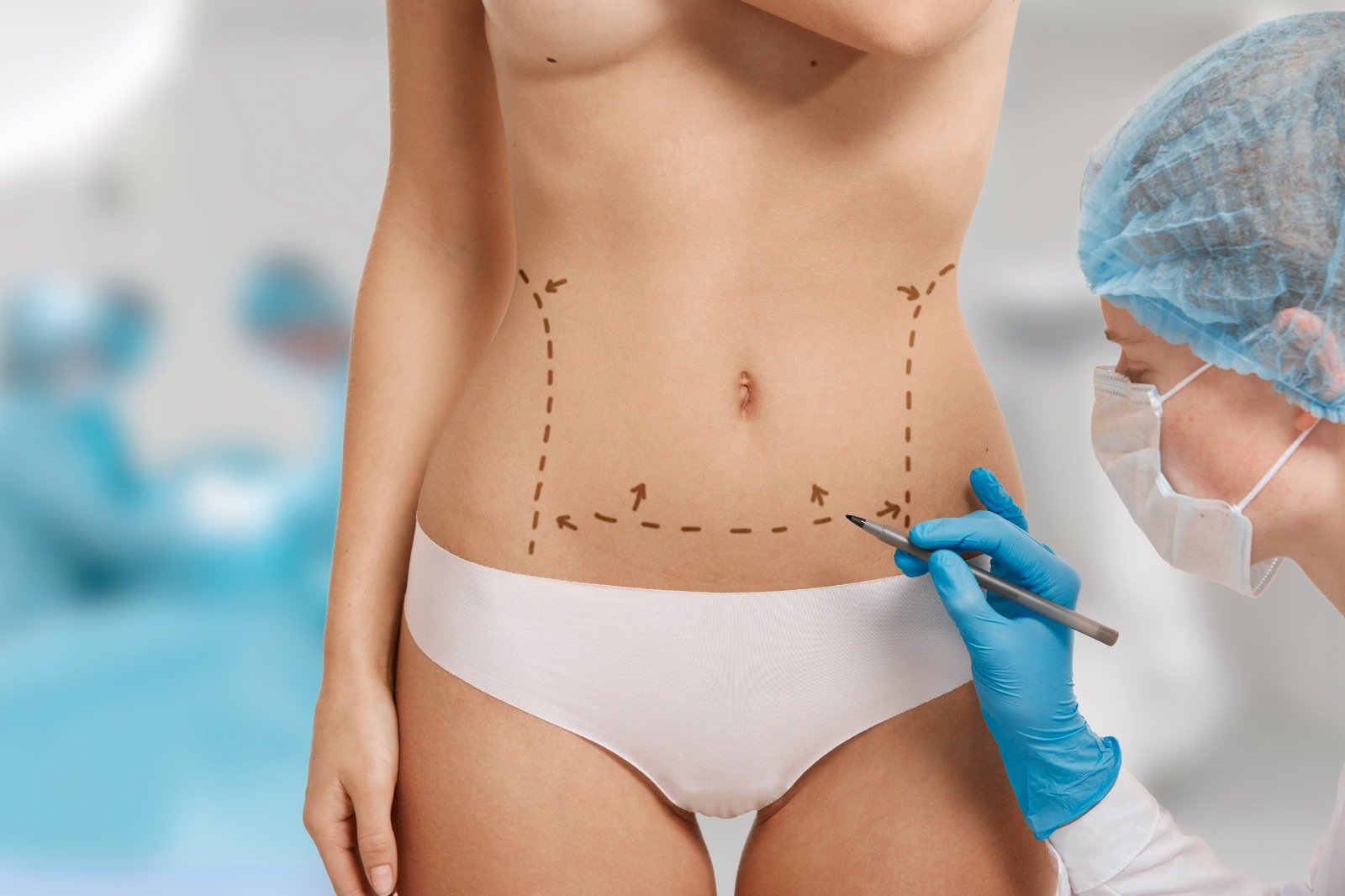
Abdominoplasty (Tummy Tuck)
What is Abdominoplasty?
Abdominoplasty, more commonly known as a tummy tuck, is a surgical procedure designed to reshape and flatten the abdomen. Many people struggle with excess skin, fat deposits, or stretched abdominal muscles that don’t improve with diet and exercise. This may happen after major weight loss, pregnancy, or simply due to aging. A tummy tuck addresses these concerns by removing extra skin and fat while tightening the abdominal muscles, resulting in a firmer and smoother midsection.
While it is often considered a cosmetic procedure, abdominoplasty can also help improve core strength and posture, since weakened abdominal muscles are repaired during the surgery.
Who is the Right Candidate?
Not everyone who wants a flatter stomach is a good candidate for a tummy tuck. The procedure is usually best for:
- ✅ Men and women in good health who are at or near their ideal weight but struggle with loose or sagging abdominal skin.
- ✅ Women after pregnancy, as childbirth often stretches both the skin and abdominal muscles.
- ✅ Individuals who have lost a significant amount of weight, either through lifestyle changes or bariatric surgery, and are left with excess skin.
- ✅ Those with stretched or separated abdominal muscles (diastasis recti), which a tummy tuck can repair.
It’s important to understand that abdominoplasty is not a weight-loss surgery. Candidates should have realistic expectations, be non-smokers (or willing to quit before surgery), and be committed to maintaining results with a balanced lifestyle.
Different Types of Abdominoplasty
There isn’t just one type of tummy tuck. Surgeons recommend different techniques depending on the amount of excess skin, fat, and muscle weakness.
- Full Abdominoplasty: The most common type, suited for significant skin laxity or muscle weakness. Involves a hip-to-hip incision, muscle tightening, excess skin removal, and repositioning of the belly button.
- Mini Abdominoplasty: Best for small amounts of loose skin and fat below the belly button. Shorter incision, no belly button repositioning, and faster recovery.
- Extended Abdominoplasty: Recommended for patients with loose skin extending to the flanks and lower back. Longer incision allows more extensive waistline reshaping.
- Fleur-de-Lis Abdominoplasty: Used after massive weight loss when excess skin is both vertical and horizontal. Involves vertical and horizontal incisions for a more contoured abdomen.
Your surgeon will recommend the most suitable option based on your body type, goals, and medical condition.
Preparing for Surgery
Before undergoing abdominoplasty, proper preparation is essential. During the consultation, the surgeon will review your medical history, examine your abdominal area, and discuss your expectations. You may need blood tests, stop smoking, and avoid medications or supplements that increase bleeding risk.
Patients are advised to maintain a stable weight for several months before surgery. Crash diets or sudden weight changes can affect healing and results. It is also recommended to arrange for help at home during the first week, as mobility may be limited.
The Surgery
Abdominoplasty is usually performed under general anesthesia and can take 2–5 hours depending on complexity.
- Full Tummy Tuck: Horizontal incision above the pubic area, muscles tightened, excess skin removed, and belly button repositioned.
- Mini Tummy Tuck: Smaller incision, focused below the belly button, with minor muscle tightening and skin removal.
- Extended / Fleur-de-Lis: Longer incisions for greater skin removal and reshaping, often used after massive weight loss.
Drains may be placed to remove fluid, and incisions are closed with sutures. A compression garment is applied to support healing.
Recovery After Abdominoplasty
Recovery varies depending on the type of tummy tuck. Patients can expect swelling, bruising, and discomfort for the first few weeks. Pain is managed with medication, and drains are usually removed within a week.
- ✅ Most return to light activities within two weeks.
- ✅ Strenuous exercise and heavy lifting should be avoided for at least six weeks.
- ✅ Wearing a compression garment is crucial for reducing swelling and supporting healing.
- ✅ Scars fade with time and are usually placed low enough to be hidden by underwear or swimwear.
Following aftercare, eating well, staying hydrated, and avoiding smoking all contribute to smoother recovery and long-lasting results.
FAQs about Abdominoplasty
- How long do the results last?
Results can be long-lasting if you maintain a healthy lifestyle. Aging, pregnancies, or major weight changes may affect them. - Is a tummy tuck painful?
Some discomfort is expected, especially in the first week. Pain medication helps, and recovery improves after the initial phase. - Can a tummy tuck remove stretch marks?
Yes, if they are on the lower abdomen. Stretch marks outside the treated area will remain. - How soon can I return to work?
Desk jobs: about 2 weeks. Physically demanding jobs: 4–6 weeks. - Will I lose weight from a tummy tuck?
No. The goal is contouring and muscle tightening, not weight loss.